
Feature walls
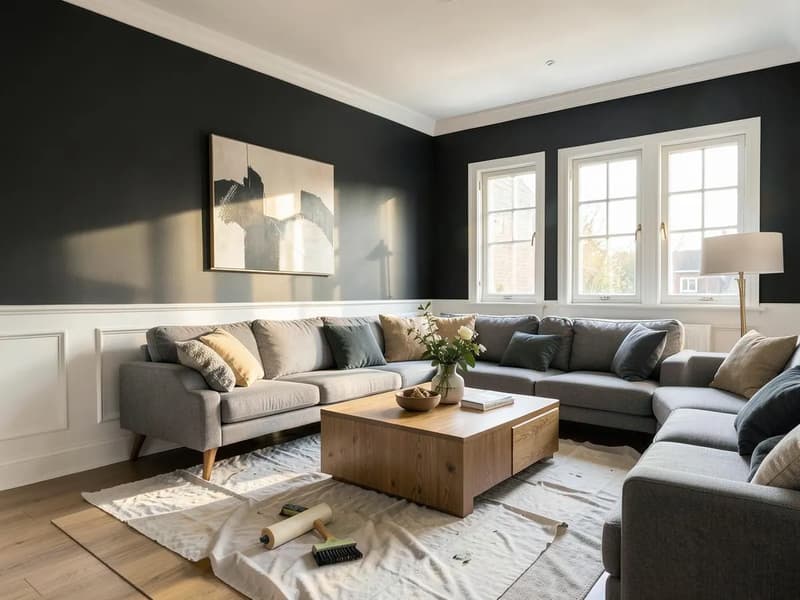
A feature wall puts a bold pattern or texture on one wall, often behind a bed, a sofa or in a chimney breast alcove. Because it draws the eye, the pattern needs centring on the wall or the focal point, so the design lands evenly at both ends rather than with a half motif in one corner.
Preparing walls for paper
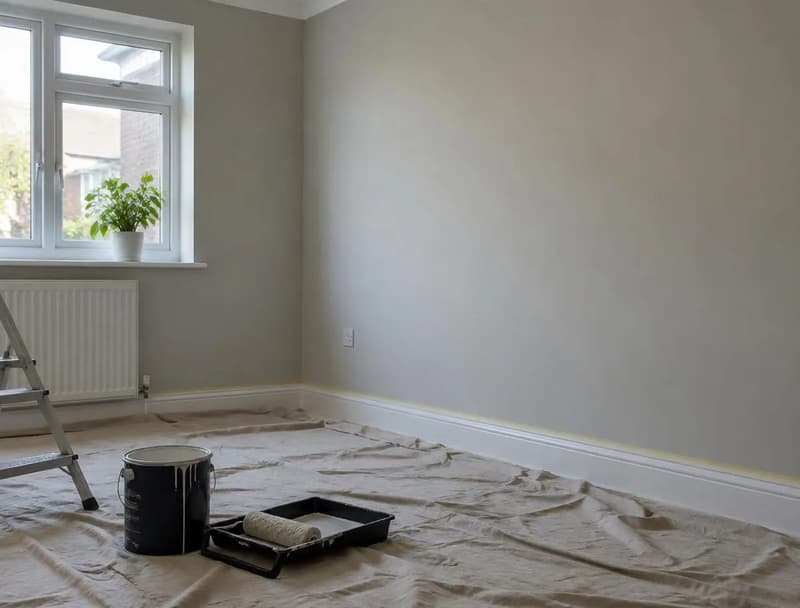
Old paper is stripped first, which our wallpaper removal guide explains in detail. Cracks are filled and sanded, and the wall is sized or primed so the paste grips properly and the paper can be repositioned while hanging. On poor or patchy plaster, lining paper gives an even base for the finished paper.
Hanging the paper
We follow the paper's own instructions, whether it is paste the paper or paste the wall. A plumb line sets the first drop straight, because walls rarely are. Each length is matched to the last, smoothed out to remove air, and trimmed at the top and bottom with a sharp blade. Around switches and sockets the power is isolated and the paper is cut neatly behind the faceplates.
Choosing a paper
Non woven papers are the easiest to hang and strip later. Vinyls are tougher and wipeable, which suits hallways and busy rooms. Heavy textured and specialist papers can need extra care. Order enough rolls from the same batch, as shades can vary between batches, and allow extra for pattern repeats.
Part of a decorating job
Wallpapering often goes alongside painting the ceiling, woodwork and other walls in the same room. Our main painting and decorating service covers that side, and we plan the order so paint is finished before the paper goes up.
Awkward walls and rooms
Stairwells, sloping ceilings and chimney breasts take more planning than a plain wall. Stairwells need staging so each drop can be hung safely in one length. On chimney breasts and alcoves the pattern is centred on the breast and worked outwards, and on sloping loft ceilings we decide where the pattern breaks so it looks deliberate rather than accidental.
Wallpaper hanging in bathrooms and kitchens needs a paper suited to humidity and a paste that copes with it, and we advise on that before you buy.
Lining paper and painted finishes
Lining paper is not only for under wallpaper. On cracked ceilings and tired plaster it can be hung and then painted, giving a smoother finish than paint alone. It is hung horizontally under patterned paper so its joints never line up with the seams above, and vertically when it is going to be painted.
We cut in and paint the ceiling, woodwork and skirting before the paper goes up, so there are no drips or brush marks on the finished walls.
Wallpapering questions
- Can you hang paper I have already bought?
- Yes. We will check the roll count and batch numbers before starting, so there are no surprises halfway up a wall.
- Do walls need lining paper first?
- Not always. It helps on uneven or patched plaster, and some heavier papers recommend it. We advise once we have seen the walls.
- Can you paper a ceiling?
- Yes, including lining paper on ceilings before painting, where cracks would otherwise show.