Essex
Renovations in Waltham Abbey, period and modern
Waltham Abbey sits in the Lea Valley, between the River Lea to the west and Epping Forest to the east, and the ground beneath the town is the first thing we think about here: marshes and meadows by the river, rising eastwards to a plateau of London clay capped by Epping Forest sand and gravel.
That ground matters for renovation. London clay moves as its moisture changes, so where an extension or a reworked drainage run is part of the plan, foundations and falls are checked against what building control requires rather than assumed. Large parts of the parish lie in the Metropolitan Green Belt, and the town has three tiers of local government: the town council at the Town Hall on Highbridge Street, Epping Forest District Council as the planning authority, and Essex County Council.
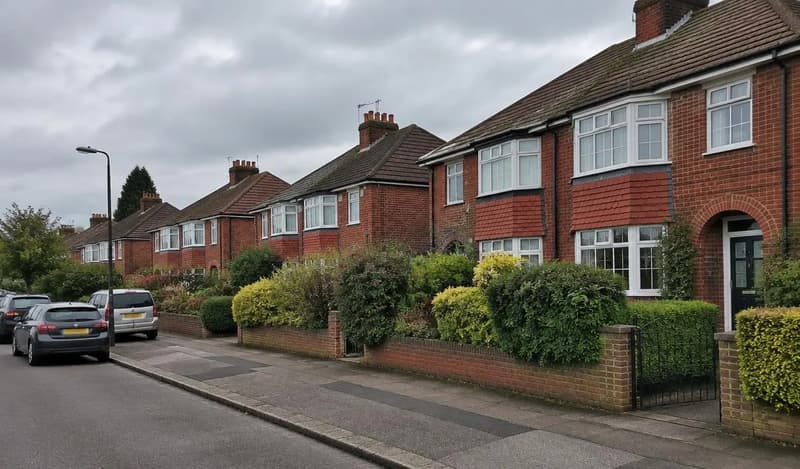
Across the Epping Forest district, 32.5% of homes are semi-detached, 23.1% detached, 21.5% terraced and 21.6% flats, and 69.6% are owner-occupied. That shows in the work we are asked for here: owners improving the house they intend to keep. The post-war outer estates, Roundhills and Ninefields among them, suit full kitchen and bathroom modernisation, while the older streets nearer the centre call for a more careful hand.
The centre and Upshire are conservation areas, the Upshire designation taking in Warlies park and the hamlets around it, and the Abbey Church is a scheduled ancient monument. External changes in the conservation areas can need consent from the district council, while internal kitchen and bathroom refits usually proceed without it unless the building is listed. We check the status of your address before quoting anything that touches the exterior.
Heating arrangements vary across the district: 75.8% of homes heat with mains gas only, 7.7% with electricity, 3.4% with oil and 1.9% with bottled or tank gas. Before a bathroom is specified we confirm how your hot water is produced, because an electric-only or oil-fired home needs different shower choices from one on a combination boiler.
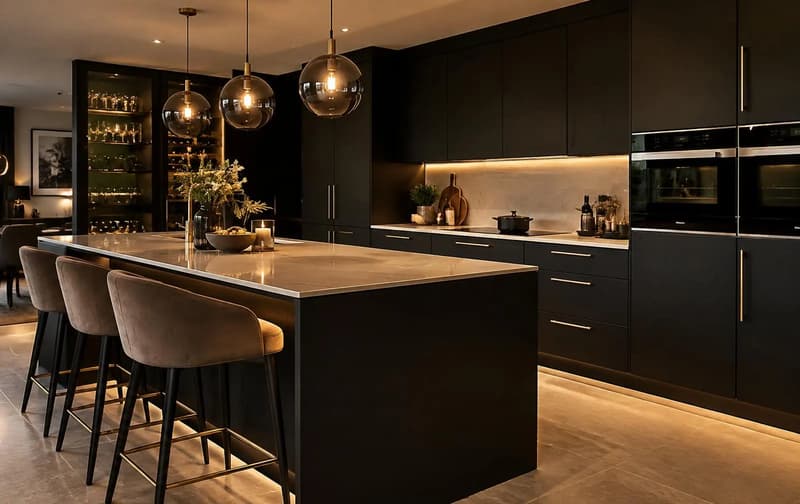
Kitchen fitting across west Essex
Our kitchen work in Waltham Abbey is part of a wider patch across west and mid Essex, run from Bishop's Stortford with the same survey, written itemised quote and day by day programme.
Read more: Kitchen fitters in Essex
Waltham Abbey cost guide
Period work carries more labour, modern estate work carries less. Both ranges are below.
| Period property kitchen | £9,000 to £17,000 | Extra preparation, breathable materials and scribed joinery. |
|---|---|---|
| Modern estate kitchen | £6,000 to £11,000 | Square rooms and accessible services keep labour down. |
| Bathroom with reworked plumbing | £7,500 to £13,000 | Includes moving waste runs and full tanking. |
Work we are asked for most in Waltham Abbey
- Full kitchen and bathroom modernisation on the post-war estates
- Checking ground floors and drainage where the London clay lies close
- Careful internal refits in the conservation area streets
- Bathroom specification around electric and oil hot water systems
How a Waltham Abbey quote is put together
Every job here starts with the same checks. First the ground and the building: the age of the house, how the floors are built and whether the clay or the riverside ground affects the plan. Then the paperwork position: whether the address sits in a conservation area or is listed, so any consent questions are settled before a price depends on them.
Only then do we price the room itself. The written quote is itemised, so you can see what preparation, making good and finishing each cost, and the programme is agreed around the survey findings rather than a guess made from photographs.
Where Waltham Abbey sits in our patch
Services we run in Waltham Abbey
Questions from Waltham Abbey clients
- How long will my Waltham Abbey renovation take?
- The honest answer is set at survey. A like for like bathroom swap on a post-war estate is a short, predictable job, while a period kitchen with preparation and making good takes longer. Your written quote includes a day by day programme so you know the sequence before work starts.
- What does the local ground mean for my project?
- The town rises from meadows by the Lea to London clay in the east. Clay moves with moisture, so for extensions and ground-floor work we check levels, drainage falls and foundation requirements before pricing. For a straightforward internal refit it rarely changes anything.
- Do I need consent for work in the conservation area?
- Internal kitchen and bathroom work is usually unaffected. External changes in the Waltham Abbey and Upshire conservation areas can need consent from Epping Forest District Council, and listed buildings need listed building consent. We check your address before quoting anything external.
- My house is on one of the post-war estates. Is a full refit simpler there?
- Usually, yes. Rooms on the outer estates tend to be square with accessible services, so more of the budget goes into the specification rather than preparation. The survey still checks floors, walls and services before a fixed price is given.
- Which areas around Waltham Abbey do you cover?
- Waltham Abbey itself and Upshire. If you are further out, send your postcode with the enquiry and we will confirm whether we can take it on.