
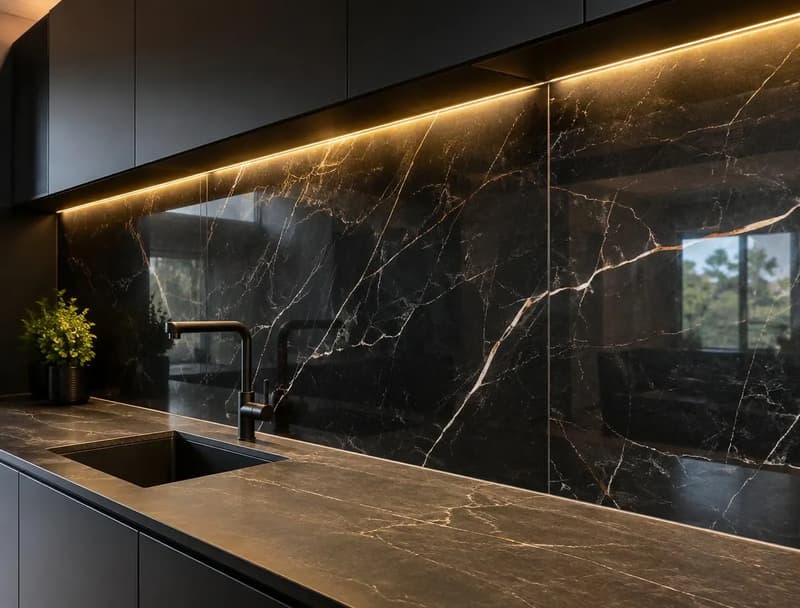
When regrouting is the right job
Look closely at what has changed. Grout that is stained but firmly attached may need appropriate cleaning rather than removal. Joints that crumble, have gaps or have lost material need a different approach. Tile repair starts by separating those problems, because replacing every joint is unnecessary if one isolated section has failed.
The tiles must be securely bonded to a suitable background. If several move under pressure, or a floor clicks when walked on, the cause could be the adhesive or the substrate. Fresh grout would simply bridge a moving gap until it cracks again. Our floor tiling service covers the preparation needed when a floor must be lifted and rebuilt.
Raking out old grout without damaging the edges
Grout replacement needs enough of the old material removed to give the new grout a clean, useful joint. Smearing a thin layer over dirty grout does not create a lasting repair. The removal method depends on the tile, the joint width and the risk of damaging its edges, particularly with soft stone or small mosaics.
Dust and loose material are cleared before the replacement is applied. The grout chosen should suit the tile and its location, not just match a colour on a chart. A small colour variation can stand out across a large wall, so discuss whether the whole visible panel or only the damaged joints will be treated.
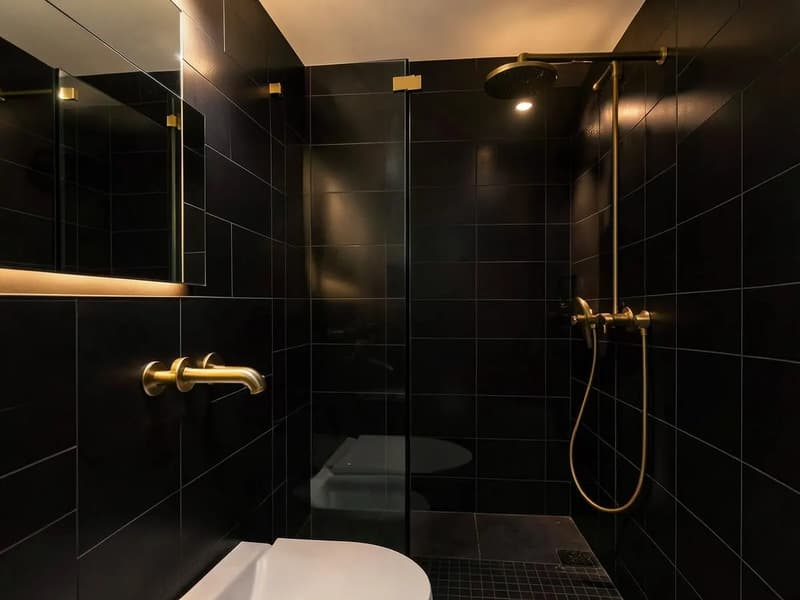
Mouldy silicone and flexible joints
Silicone is used where surfaces meet and may move independently, such as the edge of a bath or the corner of an enclosure. Grout is not a substitute for a flexible seal in these positions. Old silicone needs removal from both faces, followed by cleaning and drying, before a new bead is formed.
Mould can develop where moisture, soap deposits and poor airflow leave a seal persistently damp. Cleaning may remove surface growth, but discolouration within a degraded bead can remain. Replacing it should be accompanied by checking ventilation and whether water is collecting along the joint. Do not seal over a damp gap and assume the source of moisture has gone.
Minor tile repair or a larger investigation
An isolated chipped or cracked tile may be replaceable if a matching spare exists and the surrounding tiles remain secure. Taking one tile out can still disturb its neighbours or the waterproofing behind it. The proposed repair should therefore include how the background and any damaged membrane will be restored.
Recurring cracks, a moving shower tray or a damp ceiling are reasons to investigate further. Tiles and grout are the finish, not the whole waterproofing system. If water is reaching the room below, our leaking shower problem page explains why another surface seal alone may be the wrong response.
Choosing the scope before work starts
Send a wide photograph of the tiled area and a close view of the failed joints. Say whether the problem returns after cleaning, whether anything moves and whether tiles are available as spares. That information helps distinguish cosmetic maintenance from a fault requiring the finish to come off.
Access around screens, cabinets and sanitaryware, the quantity of joints, the removal difficulty and any local tile replacement all influence the work. Our tiling cost guide discusses wider tiling factors; this page is about retaining a sound finish rather than pricing a new tiled room. Ask for the regrouting and silicone replacement to be described separately so the boundaries are clear.
Questions about regrouting tiles and replacing silicone
- Can you regrout without retiling?
- Yes, where the tiles are firmly fixed and the background is sound. Existing grout is removed sufficiently for a clean replacement joint. Loose tiles, repeated cracking or failed waterproofing need investigation before a cosmetic refresh.
- Why does silicone go mouldy?
- Persistent damp, soap residue and insufficient airflow encourage mould. Growth within an ageing seal can be difficult to remove. A replacement bead needs clean, dry surfaces, while ventilation and any continuing leak should also be checked.
- Should a bath edge be grouted or siliconed?
- A joint between a bath and the tiled wall usually needs a suitable flexible seal because those surfaces move differently. Hard grout in that gap can crack. The joint detail must suit the bath, tiling and sealing system.